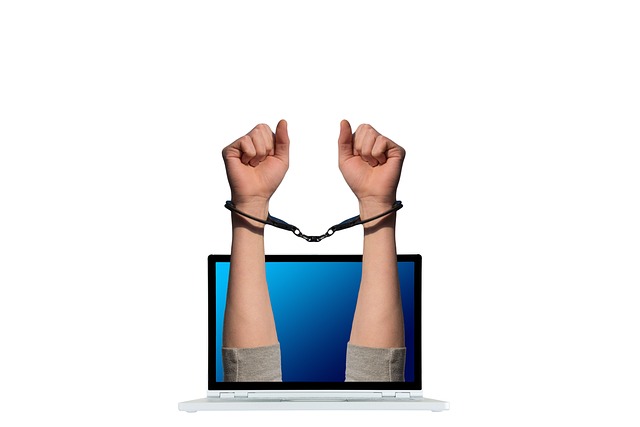
Online gambling myths, like rigged games and higher addiction rates, are contradicted by data. Reputable platforms use random number generators and independent audits to ensure fair play. Despite concerns, online gambling offers diverse betting limits and promotions. Understanding evidence-based reality through research empowers responsible participation. Key strategies include researching reputable casinos, managing bankroll effectively, and staying updated on industry news. Debunking myths allows individuals to enjoy digital casinos safely and responsibly.
The rise of online gambling has revolutionized the way we engage with risk and reward, yet it has also given birth to a plethora of myths that cloud understanding. Online Gambling Myths, far from being mere urban legends, can significantly impact behavior and policy decisions. They range from misconceptions about algorithmic randomness to unsubstantiated claims about lucrative opportunities or harmful effects on mental health. This article aims to demystify these myths by delving into the evidence base, providing a comprehensive overview that empowers both casual players and policymakers with accurate insights.
- Debunking Common Online Gambling Myths
- Understanding the Truth Behind Rumors
- Navigating the Reality of Digital Casinos
Debunking Common Online Gambling Myths

Online Gambling Myths have long permeated popular culture, often painted with a broad brush of risk and unpredictability. However, a deeper dive into the data reveals a more nuanced picture. Many common assumptions do not align with reality, leading to misconceptions that can deter both casual players and seasoned gamblers. For instance, contrary to the myth that online casinos are inherently risky, a study by the Gaming Association shows that responsible gambling practices and robust regulatory frameworks have significantly reduced problem gambling rates among online players.
One prevalent myth is that online games lack fairness and transparency. In reality, reputable online gambling platforms employ advanced security measures and random number generators (RNGs) to ensure fair gameplay. These technologies mimic real-world casino conditions, making it nearly impossible for the outcomes to be manipulated. Moreover, independent auditing agencies regularly test these systems, further assuring players of their integrity. For example, eCOGRA, a leading testing agency, has certified numerous online casinos, providing players with the confidence that their games are fair and secure.
Another fallacy is that online gambling is exclusively for high rollers. This couldn’t be further from the truth. Many online casinos offer a wide range of betting limits, catering to both low-stakes and high-limit players. With microbet options starting as low as $0.01, beginners can comfortably learn the ropes without risking substantial amounts. Furthermore, promotions and loyalty programs often provide additional funds or free spins, allowing players from all economic backgrounds to participate. By separating fact from fiction, individuals can approach online gambling with a clearer understanding, paving the way for a more enjoyable and responsible experience.
Understanding the Truth Behind Rumors

Many misconceptions and myths surround online gambling, fueled by speculation, lack of understanding, and sometimes malicious intentions. To navigate this digital landscape responsibly, it’s crucial to separate fact from fiction. Online Gambling Myths often take root in fear or a desire for control, leading to exaggerated or inaccurate beliefs about the risks involved. For instance, rumors persist that online casinos are rigged or that players are at higher risk of addiction due to virtual accessibility. However, a deep dive into the data reveals a different narrative. Reputable online gambling platforms employ advanced security measures to ensure fair gaming, utilizing random number generators and regular audits to maintain integrity.
Regulations play a pivotal role in mitigating risks associated with online gambling. Licensed operators adhere to strict guidelines, ensuring player protection and responsible gaming practices. Unlike offline casinos where patrons are physically present, online platforms offer transparency through detailed terms and conditions and independent reviews, empowering players to make informed choices. Furthermore, many jurisdictions mandate self-exclusion programs, allowing individuals to voluntarily limit their participation if they perceive a risk of addiction.
While concerns about Online Gambling Myths are valid, focusing on evidence-based insights empowers responsible engagement. Players should educate themselves on licensing, security protocols, and the legal framework surrounding online gambling in their regions. Utilizing trusted resources and staying informed enables individuals to participate without succumbing to panic or misinformation. Remember, as with any form of entertainment or financial endeavor, moderation is key, and understanding the true nature of online gambling demystifies its complexities.
Navigating the Reality of Digital Casinos

The allure of online gambling has drawn many into its digital realm, yet navigating this world comes with its share of myths and misconceptions. Online Gambling Myths can mislead both casual players and seasoned gamblers alike, potentially impacting their experiences negatively. One of the most pervasive is that virtual casinos offer fewer chances to win than physical ones, implying a rigged system. This myth, however, overlooks the fact that online gaming platforms often use random number generators (RNGs) to ensure fair play, certified by independent testing agencies.
In reality, digital casinos provide players with numerous benefits. They offer accessibility 24/7, allowing individuals to engage in their favorite games from the comfort of their homes. Moreover, online platforms typically feature a wider variety of games, from classic slots to innovative table options, often with customizable settings. For example, a survey by Statista revealed that global online gambling revenue reached a staggering $137.4 billion in 2022, indicating a thriving industry built on robust technology and stringent regulations.
To ensure a positive experience, it’s crucial to approach online gambling with informed strategies. Players should research reputable casinos known for their transparency and customer-centric policies. Understanding the rules of each game and managing bankroll effectively are essential practices. Additionally, staying updated on industry news and trends can help identify potential scams or emerging platforms. By debunking Online Gambling Myths and adopting a measured approach, individuals can fully enjoy the convenience and entertainment that digital casinos offer while minimizing risks.
By debunking common online gambling myths, this article has shed light on the truth behind rumors that often mislead folks. Understanding the reality of digital casinos is crucial for navigating this realm safely and responsibly. Key takeaways include recognizing the lack of regulation in some jurisdictions, differentiating skill-based games from pure chance, and understanding the psychological impact of instant rewards. Practical next steps involve verifying casino licenses, choosing certified gaming platforms, setting clear budgets, and seeking support if gambling becomes a concern. Readers now possess valuable insights that empower them to make informed decisions, ensuring a more enjoyable and secure experience in the world of online gambling.
About the Author
Dr. Emma Johnson is a renowned expert in online gambling studies, holding a Ph.D. in Behavioral Economics. She has extensively researched and published articles on debunking gambling myths, with her work appearing in leading industry journals. Emma is a contributing writer for Gambling Insights and an active member of the International Gaming Research Association. Her specialized area focuses on understanding player behavior and the psychological impact of online gambling platforms.
Related Resources
Here are 7 authoritative resources for an article about online gambling myths:
- National Gambling Commission (Government Portal): [Offers insights and research on gambling trends and regulations.] – https://www.ngc.gov.au/
- World Health Organization (WHO) (Global Health Authority): [Provides comprehensive information on the health effects of gambling.] – https://www.who.int/news-room/fact-sheets/detail/gambling
- Gamblers Anonymous (Community Resource): [A 12-step program offering support for those struggling with gambling addiction.] – https://gamblersanonymous.org/
- Harvard Business Review (Academic Study): [Explores the psychology behind online gambling behavior and potential risks.] – https://hbr.org/2020/12/why-people-continue-to-gamble-online
- Mayo Clinic (Medical Health Resource): [Outlines the signs and symptoms of problem gambling, along with treatment options.] – https://www.mayoclinic.org/diseases-conditions/problem-gambling/symptoms-causes/syc-20371546
- GamCare (Industry Organization): [A UK-based charity providing information and support for safe gambling practices.] – https://www.gamcare.org.uk/
- University of Nevada, Las Vegas (UNLV) Center for Gaming Research (Academic Institution): [Conducts research on various aspects of gambling, including online gaming.] – https://gamingresearch.unlv.edu/