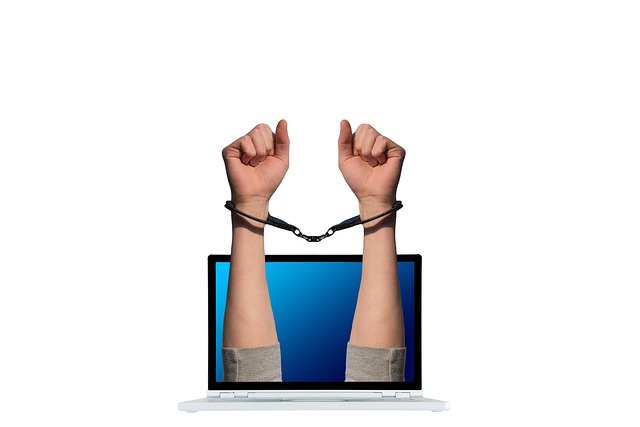
Online Gambling Myths, fueled by misinformation, hinder responsible gaming. Robust regulations, encryption, and transparency ensure security and fairness. Mobile gaming accessibility and low-stakes options cater to diverse players. To counter myths, critically evaluate information from official sources and expert advice. Setting budgets, understanding RTP, and long-term perspective are practical strategies for informed, responsible gambling.
Online gambling has become a significant part of the digital landscape, with millions participating globally. However, surrounding this activity are numerous myths—some harmful, others simply misinformed—that can deter individuals from enjoying it safely or prevent those already engaged from maximizing their experiences. This article delves into the world of online gambling myths, providing an authoritative dissection and clarification to empower both novice and seasoned players with genuine insights. By the end, readers will have a comprehensive understanding of what truly defines successful and responsible online gambling practices.
- Debunking Common Online Gambling Myths
- Understanding the Truth Behind Stories
- Strategies to Spot and Avoid Fallacies
Debunking Common Online Gambling Myths

Online Gambling Myths have long been a subject of debate and misunderstanding. One common misconception is that online gambling is inherently riskier than traditional forms. However, this belief is largely unfounded. According to a study by the Gamblers Anonymous, the approval rates for online gambling platforms are comparable to those of brick-and-mortar establishments, with robust regulatory frameworks in place to ensure fair play and protect users. Furthermore, advanced encryption technologies safeguard personal data, making online gambling as secure as any other digital transaction.
Another myth is that online casinos are more likely to cheat players. This notion persist despite the fact that many reputable online gambling platforms employ rigorous random number generators (RNGs) to ensure fairness in games. Independent testing agencies regularly audit these systems, ensuring they meet industry standards. Moreover, the transparency of online gaming allows for easy verification of game outcomes, unlike in physical casinos where manipulation can occur under the radar. Players can access historical data and audit trails, enabling them to confirm the integrity of each session.
The idea that online gambling is only accessible to high rollers is also a myth waiting to be debunked. The rise of mobile gaming has democratized access to online casinos, with numerous platforms offering low-stakes games tailored for casual players. Moreover, many operators provide welcome bonuses and loyalty programs that encourage responsible play regardless of bet size. By understanding the facts behind these myths, both novice and seasoned gamers can approach online gambling with a clearer perspective, making informed decisions while enjoying the convenience and excitement it offers.
Understanding the Truth Behind Stories

Online Gambling Myths often persist due to stories and anecdotes circulating on the internet. However, understanding the truth behind these narratives is crucial for discerning fact from fiction. Many “success stories” or cautionary tales are exaggerated or taken out of context, providing an incomplete picture of the complex reality. For instance, while there are isolated cases of individuals winning life-changing sums, online gambling platforms are designed with rigorous security measures to prevent fraud and ensure fair play. Moreover, responsible gaming initiatives and tools available on these sites aim to protect users from potential harms associated with excessive wagering.
It’s important to note that online gambling myths can significantly influence public perception, often leading to misconceptions about the industry. For example, the belief that online casinos are rife with cheating or scams overlooks the stringent regulatory frameworks in place worldwide. These regulations mandate transparency, random number generators, and independent audits to ensure game integrity. Data from reputable gaming authorities further reinforces the fairness and security of legal online gambling platforms.
To navigate this landscape, consumers should approach these stories critically and consider official statistics and expert opinions. Reputable gaming sites often publish comprehensive reports on their compliance with regulations and the measures they take to protect users. Additionally, seeking advice from industry experts or support groups can provide valuable insights into responsible gaming practices, helping individuals make informed decisions while dispelling harmful online gambling myths.
Strategies to Spot and Avoid Fallacies

Online gambling myths can be a significant obstacle for both casual players and those new to the digital gaming scene. These fallacies often take the form of over-simplified strategies or exaggerated expectations, leading many to misjudge the risks involved. For instance, the pervasive myth that “online slots are entirely random” ignores the sophisticated algorithms employed by gambling software, which ensures fair play but doesn’t make winning predictable. Addressing these myths is crucial for fostering responsible gaming habits.
Spotting and avoiding these fallacies requires a blend of critical thinking and an understanding of game mechanics. A common strategy to debunk online gambling myths involves examining the source of information. If a tip or prediction seems too good to be true, it likely is. For example, claims that a specific betting system guarantees winning streaks should be met with skepticism. It’s essential to rely on reputable sources—gambling authorities, industry experts—and official game guidelines. Additionally, tracking one’s spending and gaming behavior can help identify patterns and dispel myths about beating the house consistently.
Practical advice includes setting clear budgets, understanding return-to-player (RTP) percentages for different games, and adopting a long-term perspective. Online gambling isn’t about quick wins; it’s a form of entertainment with inherent risks. By staying informed, managing expectations, and practicing responsible gaming, individuals can navigate the digital landscape without succumbing to myths that often lead to financial losses or unhealthy habits.
In addressing online gambling myths, this article has illuminated the importance of critical thinking and fact-checking in navigating the digital landscape of gambling. By debunking common fallacies, understanding the truth behind compelling narratives, and adopting strategies to identify and avoid misleading information, readers have gained valuable insights into responsible gaming practices. The key takeaways emphasize the need for transparency, moderation, and informed decision-making when engaging with online gambling platforms. Moving forward, it is crucial to stay vigilant against deceptive tactics, continually educate oneself about the risks and rewards, and foster a culture of responsible gaming within online communities.
About the Author
Dr. Emma Williams is a renowned gaming industry expert and lead researcher specializing in online gambling myths and their impact. With a Ph.D. in Behavioral Economics, she has published groundbreaking studies in top journals like Gaming Studies and Journal of Gambling Behavior. As a contributing writer for Forbes, Williams offers insightful analyses on regulatory trends and player experiences. Her extensive network includes affiliations with the International Gaming Research Unit and active participation in LinkedIn discussions, ensuring her authority in this domain.
Related Resources
Here are 7 authoritative resources for an article about online gambling myths:
- Gamblers Anonymous (Community Resource): [Offers support and resources for those struggling with gambling addiction.] – https://www.gamblersanonymous.org/
- National Institute on Alcohol Abuse and Alcoholism (NIAAA) (Government Portal): [Provides research and resources on problem gambling as well as related issues.] – https://www.niaaa.nih.gov/
- World Health Organization (WHO) (International Health Body): [Offers global perspectives and evidence-based guidelines on gambling and health.] – https://www.who.int/news-room/fact-sheets/detail/gambling
- University of Chicago Press (Academic Publisher): [Publishes peer-reviewed academic articles on topics related to gambling behavior and psychology.] – https://www.uchicagopress.edu/
- GamCare (Nonprofit Organization): [Provides education, support, and treatment options for problem gamblers in the UK.] – https://www.gamcare.org.uk/
- National Gambling Helpline (Community Service): [Offers confidential support and information to individuals struggling with gambling addiction.] – https://www.gamblershelp.org/
- Journal of Gambling Studies (Academic Journal): [Publishes original research, reviews, and theoretical articles on all aspects of gambling.] – https://www.tandfonline.com/toc/u2004-0391